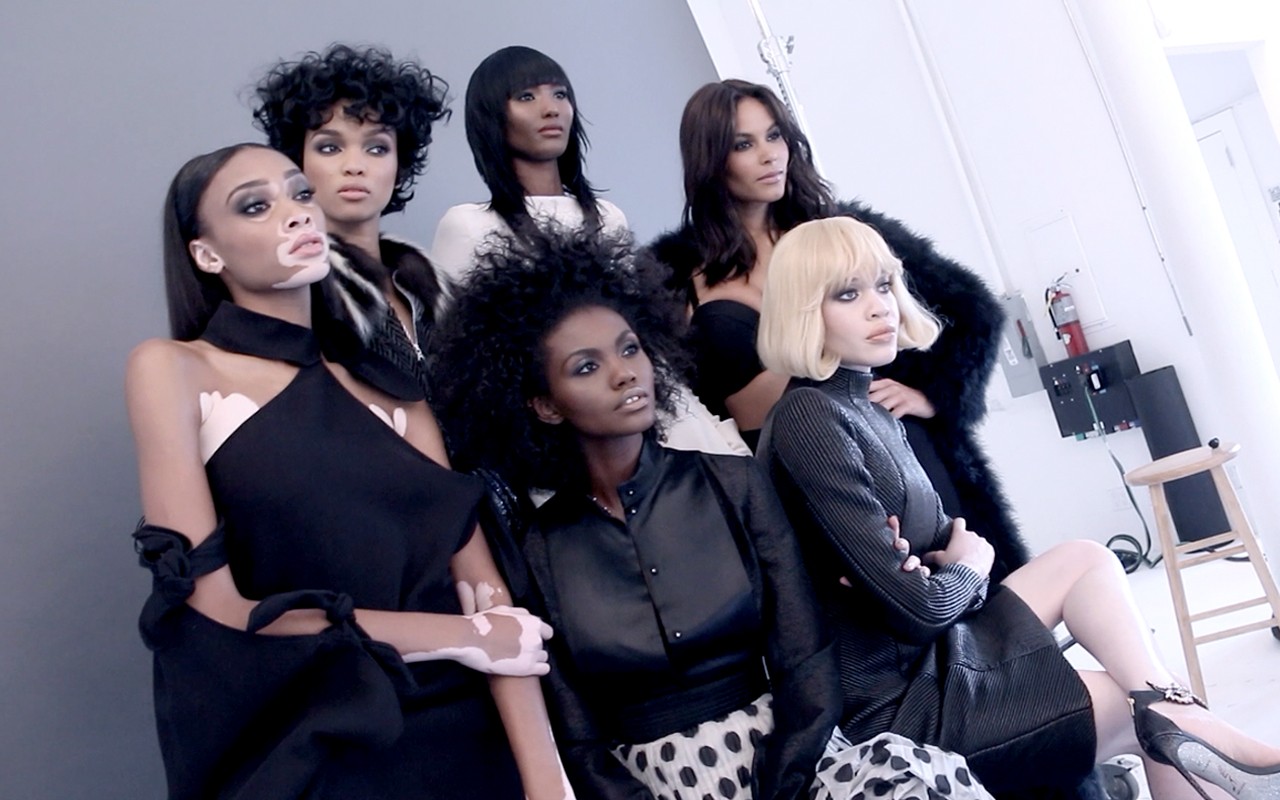
As a nineteen year old, much of my fashion inspiration and news revolves around social media. I follow my favorite brands, stores, and street style accounts. There is space to uplift women with things as small as a share or heart eyes emoji. All kinds of creatives from designers to makeup artists benefit from the positives of the platforms.
But the dark side is too all this is just one scroll below. For every positive post there is one that could negatively influence a young girl’s confidence. All girls have to deal with seeing bodies that are works of surgical art on our timelines. But for a Black girl this can be even more damaging at the hands of colorism. White and brown girls with big lips and big hips are glorified while Black girls with those same characteristics get less love online. Lighter girls with looser curls get more representation than darker girls with tighter curls. This harmful act is often backed by our own people glorifying lighter skin tones.
Comparing the likes and shares is just a way to quantify the problem. The horrifying reality is that this is culturally engraved into the minds of everyone, especially members of the Black community.
This is why representation in the fashion world matters.
Designers, fashion influencers, and hold undeniable power. Fashion sets the trend and tone for everything to come next. What takes place on runways becomes mainstream and reaches the masses a year later. Fashion has greater influence on the media than the media does on it.
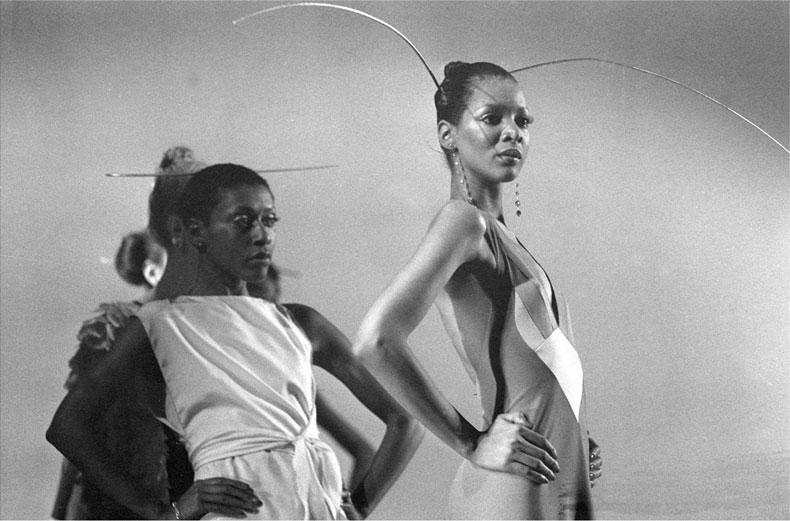
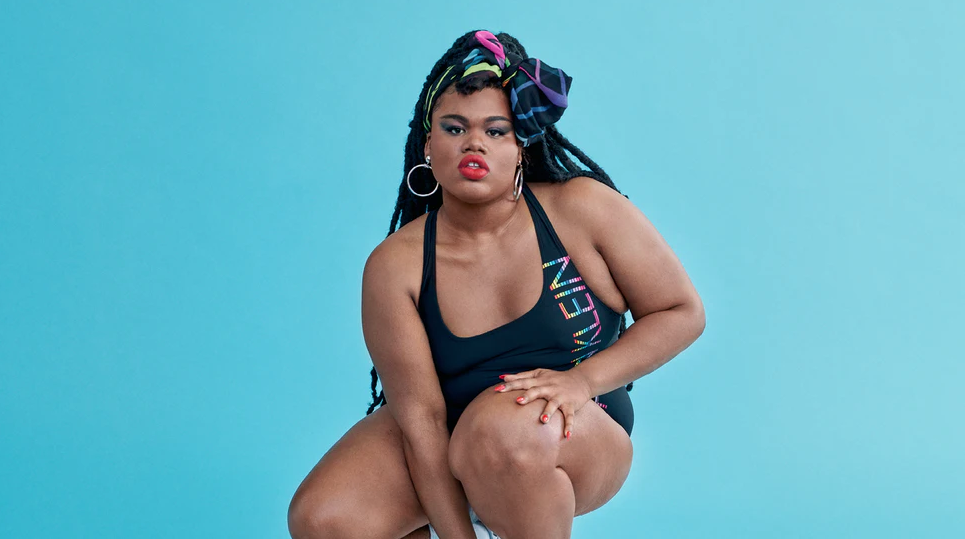
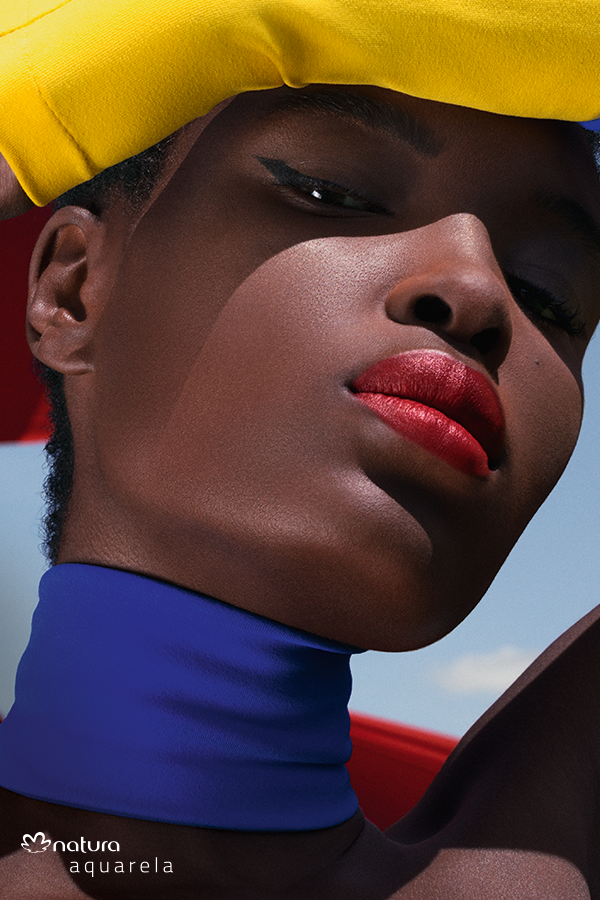
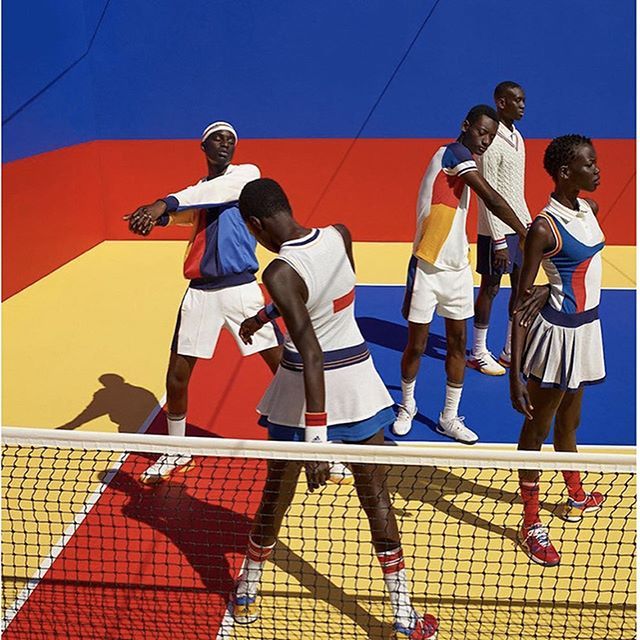
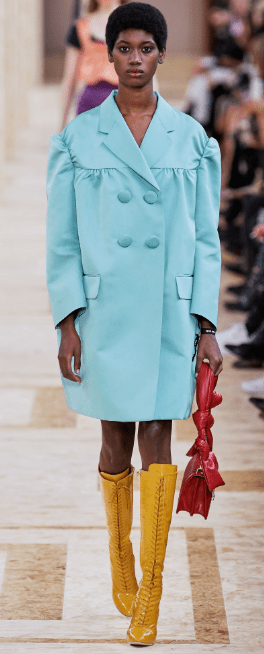
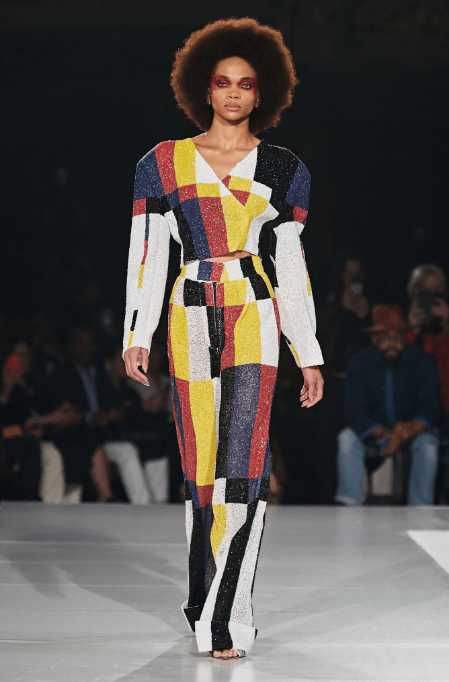
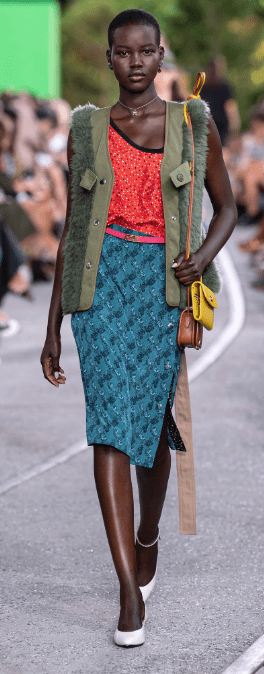
Undeniably, many designers have stepped up to the plate. Runways and ads are diverse, featuring women of all skin tones, and more recently of all body types. It is not uncommon to see Black models in Vogue or walking for Gucci. Even all the way back in 1973 at the Battle of Versailles, 11 Black models were hired for the show and Black designer Stephen Burrows was selected to showcase his work. Fast forward to today, Jari Jones, a Black trans woman and plus size model was revealed as the star on a billboard for Calvin Klein’s Pride campaign just last week.
The fashion world has certainly not been a silent bystander to the injustices of minorities when it comes to the media. Models and magazine covers aren’t all that matters though. I’m also talking about in the boardroom. Seeing a Black woman that looks like you in a position of power is something one cannot ever quantify. Young Black girls (grown Black women too!) need to see themselves as CEO’s and heads of departments. Companies such as Refinery 29 have been called out on the hypocrisy in putting out #BlackLivesMatter tweets but having a lack of inclusive culture and respect to their own employees. Black women of all fashion disciplines; designers, writers, photographers deserve just as much opportunity as those in front of the cameras.
As an aspiring fashion writer I have many women to look up to such as former Teen Vogue editor-in-chief Elaine Welteroth and EveryStylishGirl founder Nana Agyemang. I am so grateful these women have opened doors for me to be able to get a seat at the table. As Black women we have to come together to spread our knowledge and resources, as Ms.Agyemang has done through EveryStylishGirl, a networking platform for Black women in fashion and journalism.
Growing up the only black girl in the room is a grating mental task. I took many Advanced Placement classes in high school and Honors courses in college where I was the only one. It’s hard feeling like you serve as an ambassador for your whole race while you are simply trying to do your work. I wouldn’t wish that on anyone, and certainly do not wish that my future career path will be the same. My hope for my future profession is that when I’m ending my career, things will not look the same as they did when I started.
Image credits: All images are from Google.




 A TRENDY PENNY